
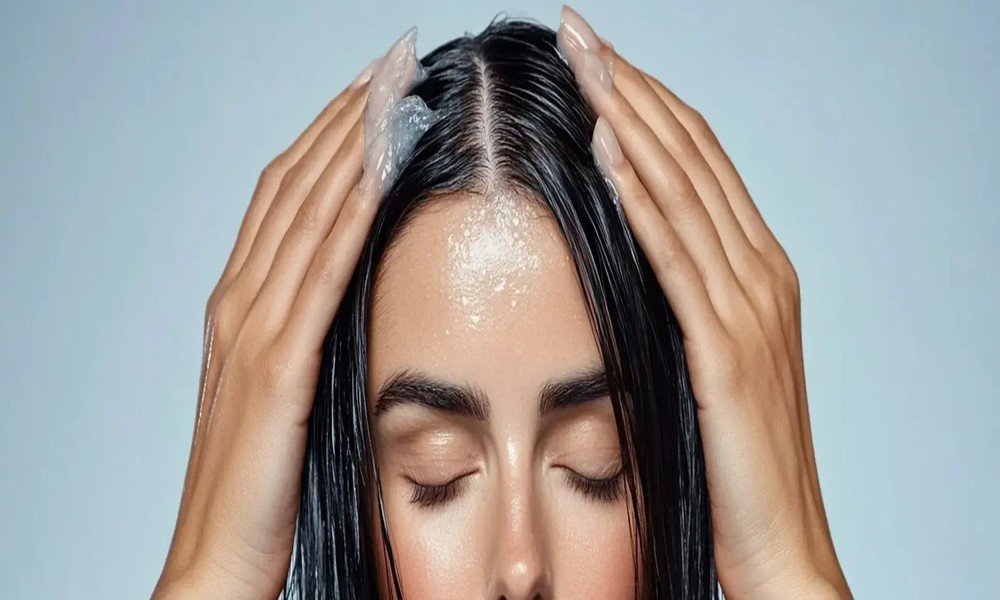
Hair breakage is one of the most common signs of damage. Frequent heat styling, colouring, environmental stressors, and daily wear can weaken the hair fibre over time, leaving strands dry, rough, and prone to snapping. Choosing the right shampoo plays an important role in reducing further damage and supporting healthier-looking hair.
Why Dry, Damaged Hair Breaks More Easily
Dry hair lacks the moisture and nourishment needed to maintain flexibility. As a result, strands become brittle and are more likely to break during brushing, styling, or washing. Chemical treatments, heat tools, sun exposure, and pollution can also weaken the outer hair layer, making hair more vulnerable to damage.
Choosing effective damaged hair care solutions begins with understanding the root cause of breakage rather than only addressing visible symptoms.
What Should You Look for in an Anti-Breakage Shampoo for Dry, Damaged Hair?
Not all shampoos designed for damaged hair provide the same benefits. A good anti-breakage shampoo should cleanse gently while helping support the hair’s protective layer.
When selecting a shampoo for dry damaged hair, consider the following:
- Look for nourishing ingredients that help maintain moisture.
- Choose formulas designed specifically for damaged or weakened hair.
- Avoid products that leave hair feeling stripped or excessively dry.
- Select shampoos that support smoother, softer, and more manageable hair.
For hair affected by dryness and surface damage, products such as Pantene Total Damage Care combine the ancient secret of Fermented Rice Water with Pantene’s Patented Pro-Vitamin Formula to deeply nourish damaged* hair and help repair dry locks. This supports a hair care routine focused on reducing visible signs of damage.
*surface damage
Ingredients to Look for in Damaged Hair Repair Shampoos
The effectiveness of Damaged Hair Repair Shampoos often depends on their formulation. Ingredients that support nourishment and help maintain hair strength can make a meaningful difference to the condition of damaged hair.
Beneficial shampoo features may include:
- Pro-vitamin complexes that help nourish hair.
- Moisture-supporting ingredients that improve softness.
- Formulas developed to address visible signs of damage.
- Technologies designed to smooth the hair surface and improve manageability.
When used consistently as part of a broader routine, these ingredients can help hair feel healthier and appear less fragile.
Common Mistakes When Choosing a Shampoo for Damaged Hair
Many people focus only on cleansing performance and overlook the condition of their hair. This can lead to product choices that worsen dryness or contribute to further breakage.
Common mistakes include:
- Selecting shampoos based only on fragrance or texture.
- Using products intended for other hair concerns.
- Switching products too frequently.
- Ignoring the need for a complete care routine that includes conditioner and protective styling habits.
A well-matched shampoo works best when combined with healthy hair care practices and a consistent routine.
Supporting Hair Repair Beyond Shampoo
While shampoo forms the foundation of cleansing, repairing the appearance of damaged hair requires a complete approach. Conditioning, reducing excessive heat exposure, protecting hair from environmental stress, and handling wet hair gently all contribute to better outcomes.
Combining these habits with suitable damaged hair care solutions can help improve softness, manageability, and the overall appearance of damaged hair over time.
