
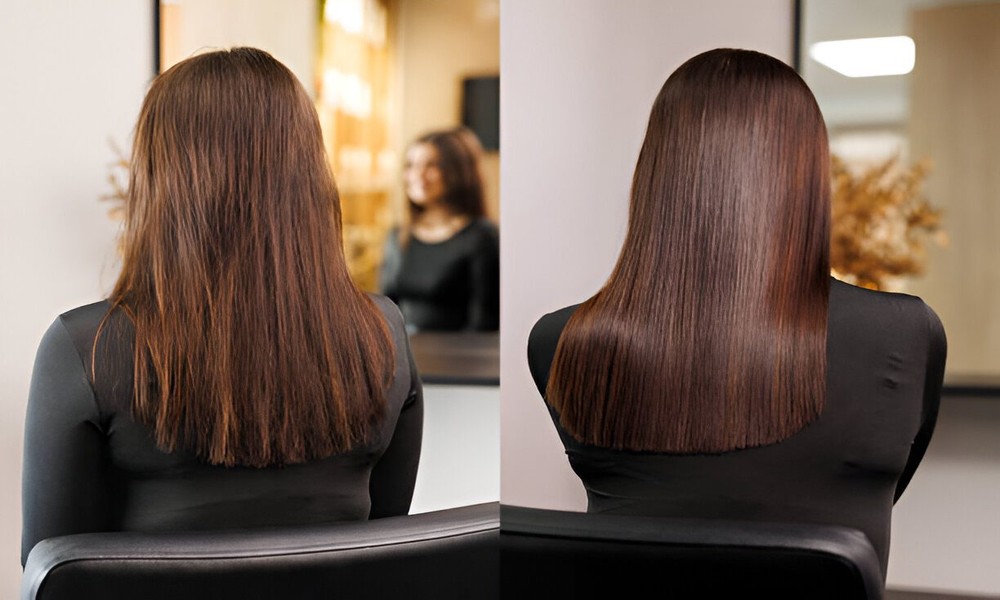
A single session can transform frizzy strands into a glossy sheet of hair, but keratin treatments carry a swirl of myths and mixed advice. If you are eyeing that smooth, salon-fresh look, get the facts straight before you book your first appointment.
Myth 1: Keratin Treatments Permanently Straighten Hair
Many believe one keratin application will keep hair pin-straight forever. The reality is more nuanced.
How Keratin Actually Works on Hair Structure
Keratin treatments coat the hair shaft with proteins, filling pores and sealing the cuticle. This creates a smoothing effect, but it does not reconstruct or break down the internal bonds of the hair like relaxers or chemical straighteners do.
Temporary Effects vs. Permanent Chemical Changes
Results typically last from two to four months, gradually fading with each wash. Unlike permanent relaxers, keratin fades gently rather than leaving harsh lines of regrowth. Those expecting a permanent transformation may be disappointed, but the upside is that your natural texture returns without awkward grow-out phases.
Myth 2: Keratin Treatments Are Unsafe and Damage Hair
Stories of scalp burns and hair breakage can make anyone nervous, but these outcomes are not universal.
Understanding the Ingredients: What’s Really in the Formula?
Older keratin formulas often relied on formaldehyde or similar chemicals that, when heated, could produce fumes. Advances in hair technology have brought safer, formaldehyde-free options to market. Always ask your stylist about the product’s ingredients and check for certifications that back their safety claims.
Professional Application vs. At-Home Kits: Safety Considerations
A key factor is technique. Professionals know how to apply and process keratin safely, minimizing risks. At-home kits can be tempting for their lower price, but improper use can lead to uneven results or damage. For your first treatment, leave it to the experts.
Myth 3: All Keratin Treatments Are the Same
Keratin is not one-size-fits-all.
Differences Between Formaldehyde-Based and Formaldehyde-Free Options
Formaldehyde-based treatments deliver ultra-sleek, stick-straight styles, but may pose more safety concerns. Formaldehyde-free alternatives rely on ingredients like glyoxylic acid for smoothing with less risk, though results may be softer and more natural-looking.
Customizing Treatments for Your Hair Type and Texture
Leading brands, such as ProAddiction USA, focus on customizable solutions for different textures, from coily to straight. The goal is not just straight hair, but healthy, manageable hair that suits your lifestyle and preferences.
Myth 4: Keratin Treatments Eliminate All Hair Frizz Instantly
Instant perfection sounds appealing, but keratin is not magic.
What Keratin Can and Cannot Do for Frizz Control
Keratin smooths and conditions, making hair less prone to frizz, especially in humid climates. However, it does not “seal” hair against all moisture or prevent frizz entirely. Results also depend on your starting hair texture and level of damage.
The Role of Aftercare in Maintaining Smoothness
A key to prolonged smoothness is using sulfate-free shampoos and gentle styling methods. Neglecting aftercare can dramatically shorten the lifespan of your results.
Myth 5: You Can’t Color or Chemically Treat Hair After Keratin
Many worry about mixing and matching chemical services, but timing is everything.
How Keratin Interacts with Hair Dyes and Relaxers
Coloring immediately after a keratin treatment can cause rapid fading, as the smoothing coat prevents dye from penetrating the hair. However, coloring before keratin is generally safe and may even help seal in color.
Timing Your Treatments for Best Results
If you plan to color and smooth, discuss timing with your stylist. Most professionals recommend coloring a week or two before your keratin session for optimal results.
Myth 6: Keratin Treatments Are Only for Straight Hair
Waves and curls belong in the keratin conversation, too.
Benefits for Curly, Wavy, and Coily Hair Textures
Keratin does not have to mean flat hair. For curly and textured hair, treatments can enhance curl definition, cut down on tangling, and speed up styling.
Enhancing Natural Texture vs. Altering It
Professional stylists can adjust the process to maintain natural texture or create a looser, softer curl pattern depending on your preference.
Preparing for Your First Keratin Treatment
A little prep goes a long way toward a successful experience.
What to Discuss with Your Stylist
Be clear about your hair history (coloring, relaxers, damage) and your desired result. Ask about product formulations, ingredient safety, and aftercare requirements.
Pre-Treatment Hair Care Tips
Arrive with clean, product-free hair, and avoid using heavy oils or conditioners beforehand. If you have sensitive skin or scalp concerns, bring them up before booking.
Aftercare Essentials to Maximize Your Keratin Treatment
Caring for treated hair is crucial to enjoying long-lasting results.
Products to Use and Avoid
Stick to sulfate-free shampoos and conditioners. Avoid products with sodium chloride, which can strip the keratin layer prematurely.
How to Extend the Longevity of Your Treatment
Minimize washing, use a silk pillowcase, and protect hair from saltwater or chlorine. With the right care, you can enjoy smoother, more manageable hair for months.
Armed with these facts, you can walk into your first keratin treatment confident that you know what to expect, and how to get the most out of your new, smoother strands.
