
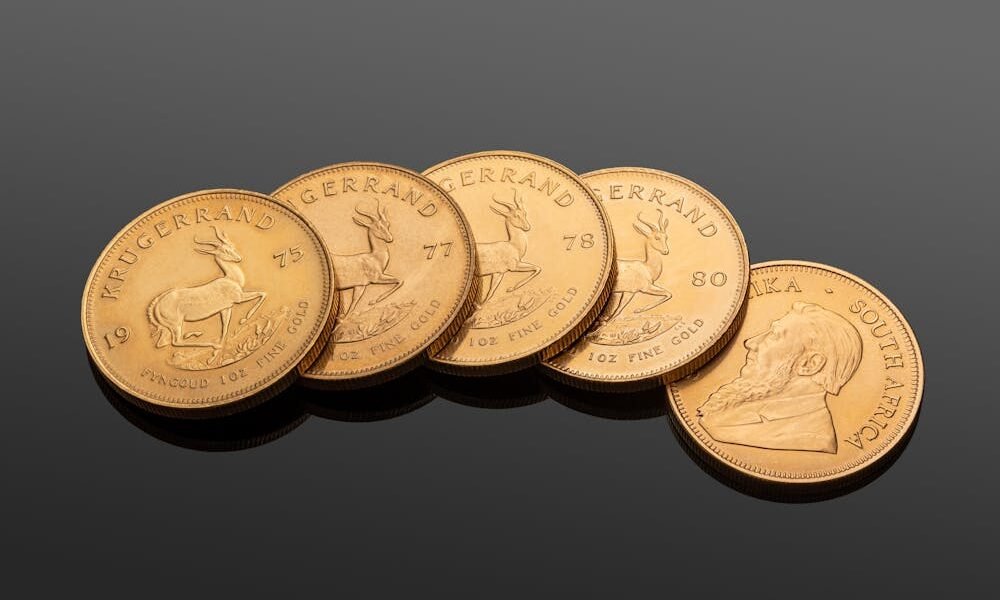
When people decide to sell coins, it’s often assumed the value is straightforward: check the weight, apply the gold price, and that’s it. In reality, experienced gold coin buyers and professional gold buyers take a far more layered approach. Two coins that look almost identical can land in completely different price brackets once they’re properly evaluated.
And this is because coin evaluation is not only about the metal in the coin. Coin evaluation takes into account physical proof, grading standards, history, and current market requirements. A coin that appears ordinary upon a quick look may turn out to have collector value, whereas a coin made of an equal amount of gold may have melt value only.
The First Layer: Metal Content, Authenticity, and Physical Verification
The first thing to determine is simple but vital: what is this coin, and is it even real? The gold content of any coin will be confirmed first, rather than guessed at. Modern gold bullion coins are typically manufactured to the 22K or 24K purity standards. Still, older commemorative pieces have different standards, varying according to where they were made and when. X-ray fluorescence scanning, calibrated scales, and density tests comparing them against mint standards are all used. It is a careful procedure that leaves little room for uncertainty.
Checking authenticity is just as meticulous. Given the extreme sophistication of contemporary counterfeit coins in design, weight, and appearance, evaluators must consider other criteria. These include checking edge reeding, strike alignment, and engraving uniformity.
Mint marks and inscriptions are then verified against official mint records. Even subtle irregularities in spacing, relief depth, or font structure can signal a replica instead of a genuine strike. Condition is also recorded at this stage because it directly influences future classification. Cleaning marks, scratches, or polishing residue can significantly affect whether a coin is later graded for collector value or simply valued as bullion. There may not necessarily be a clear difference to identify whether a coin is of premium quality or of ordinary quality; evaluation will determine which category the coin falls under. Coin experts utilize standard procedures in testing and comparing the properties of the coin with those of the minting specifications.
Grading Standards That Define Coin Value Beyond Melt Price
Once a coin passes verification, the next stage is grading, and this is where the gap between ordinary and premium becomes clear. Most professional assessments follow structured systems, such as the Sheldon scale, which ranks coins from heavily circulated to near-perfect mint condition. The difference between MS60 and MS70 is not cosmetic; it can determine whether a coin trades near melt value or commands a strong collector premium.
Grading takes into consideration some determinable variables:
- Maintaining the original surface shine
- Sharpness of strike details
- Presence of contact marks
- General attractiveness under standardized lighting
Very minor errors could determine the eventual grade. Two coins from the same year of minting could be placed into different categories solely because of their handling and storage experiences. The importance of packaging should not be overlooked. Coins stored in original packaging or slabbed will have higher grading reliability, as they are less exposed to environmental damage and accidental handling.
A key distinction is made between proof and standard circulation strikes. Proof coins are made using specially polished dies and multiple strikes, giving them mirror-like surfaces and sharper details. Even when gold content is identical, proof versions are almost always treated as premium-tier assets. Grading is systematic, but skilled human assessment is still needed. Some features, such as slight hairline friction and uneven distribution of luster, may require human eyes due to their subtle nature. Grading systems used internationally by certification authorities help maintain global uniformity.
Rarity, Historical Significance, and Market Demand Factors
After grading comes pricing, which takes on an even more dynamic element based on the rarity of the coin and the behavior of those who actually want the item. There are various reasons why coins become rare. Coins may have been minted in extremely small numbers, or they may have been produced during a relatively brief period before being retired.
The historical importance of coins adds another layer of value. Some coins associated with economic or political turning points and some that have been struck for certain commemorations gain importance that goes far beyond their gold content. People are not purchasing mere metal but rather a piece of history when they purchase collectible coins. Demand fluctuates according to various market conditions such as inflation in foreign countries, interest rates, currency fluctuations, and political turmoil. But there are also other cycles of collectible coin prices.
Evaluators who have gained experience over time monitor auctions, dealer stockpiles, and activities by collectors around the world, enabling them to be aware of changes in demand trends. The impact that regional demands may have on pricing should not be overlooked. Some coins might fetch higher prices because of their connection to some countries.
This is why even identical coins could be valued differently based on the right time and market demand; one will be considered just bullion, while the other will be in high demand among collectors. This same approach is also used when evaluating luxury products in the second-hand market. For instance, when evaluating whether to sell Rolex NYC, the actual price usually depends not on its material but also on its rarity and the history behind how it was made.
Authentication Depth, Certification, and Professional Evaluation Methods
The main difference between ordinary and elite coins is the depth of the authentication process and the techniques used. Leading coin authentication organizations follow a detailed, multi-step process that includes high-magnification visual inspection, precise weight measurements, edge analysis, and material composition testing. In case the authentication process is completed successfully, the coins are packed in special protective packaging with unique serial numbers.
This certification significantly increases market confidence. In structured trading environments, certified coins are easier to price accurately because condition and authenticity have already been independently confirmed. Not all coins are certified, however. In private sales or dealer transactions, evaluation may rely on in-house expertise developed through years of handling specific coin series and mint variations. When performed by experienced professionals, this method can still produce highly accurate assessments.
Provenance can also influence value. If one’s ownership history can be traced back to dealers and auctioneers, then this adds credibility to authenticity and conservation practices. Liquidity is yet another factor that must be considered. Premium coins are often easier to resell because collector demand is stronger compared to ordinary bullion coins, which are more susceptible to spot gold prices.
This is where it affects the offers made by buyers. For instance, premium coins have their price determined with an eye towards their resale value, whereas common coins are priced based on their inherent value in precious metal. The consistency of this pricing is achieved through the use of reliable market statistics for making evaluations.
Conclusion
The categorization of common coins from premium coins relies on much more than the amount of gold and their outward appearance. It looks at several factors, such as purity, condition, rarity, historical background, and popularity among collectors. By learning about these elements, one will be able to comprehend the logic behind the pricing. Coin value does not depend exclusively on its metal content; rather, its scarcity and condition, as well as its current demand in the market, play significant roles.
What matters for sellers is that coins that look exactly alike can vary widely in value, depending on accurate grading and market knowledge. Knowing this can help you appreciate offers for what they’re worth and avoid undervaluing high-value items. In the end, it comes down to reaching the most accurate conclusion based on the available grading, evaluation, and market knowledge.
